
Popstar
Tinashe
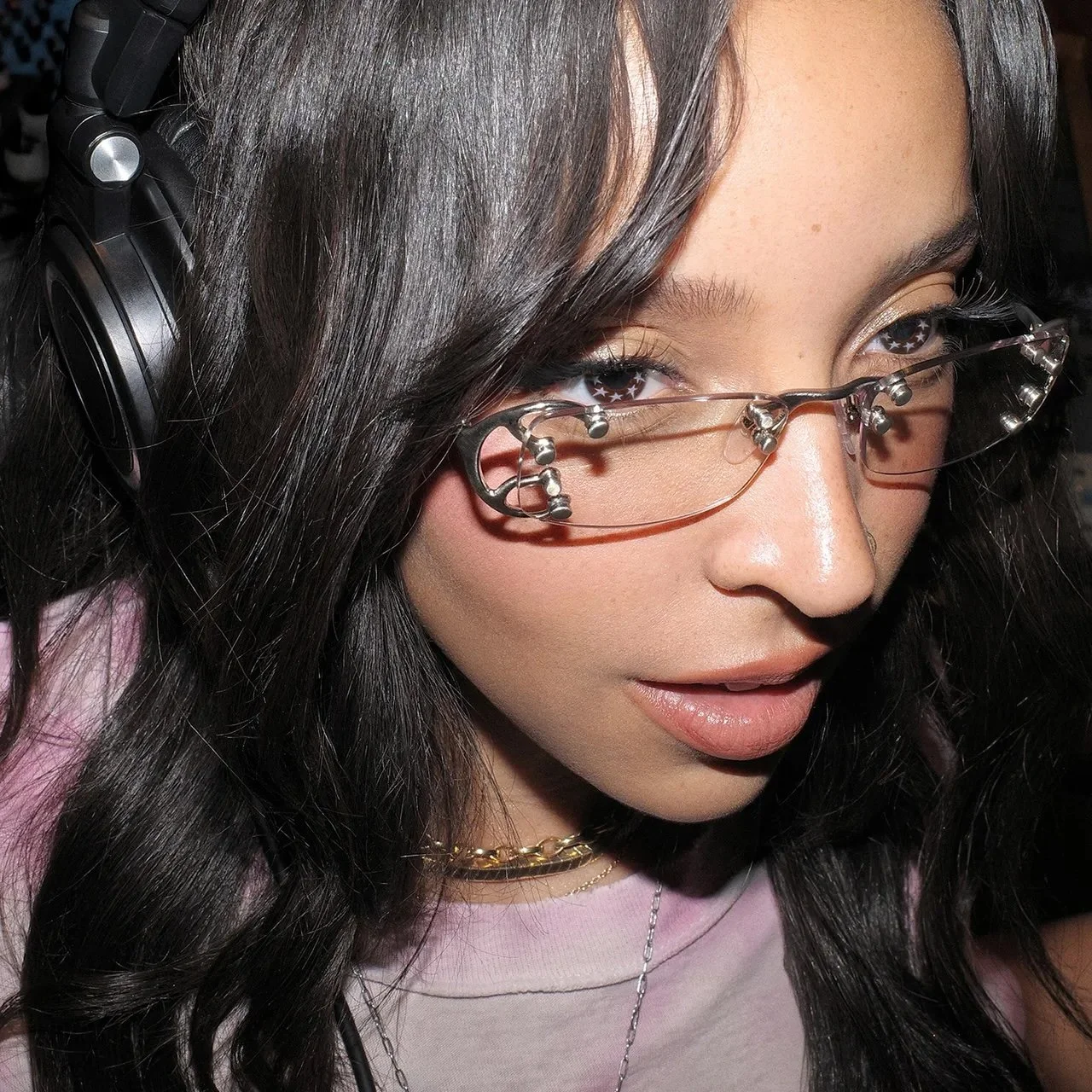
When you think about it, “I feel like a celebrity” is a puzzling thing for a popstar to say about themself. You feel like a celebrity? That… surprises you? Are you… are you actually famous? Tinashe—longtime popstar, first time polemic—would almost certainly have some considered reflections on these questions, though her follow-up is a far more entertaining response: “If you’re mad, then go to therapy!”
There are two things that seemingly everyone can agree on regardingPopstar: Tinashe, previously and famously mired in pop music cultural purgatory, has finally made it out of the Khia Asylum; also, the album goes apocalyptically hard.
Most Popstar reviewers have noted that the album both continues and completes a post-pandemic lineage of pop records that treat the subject of stardom and its attainment as their muse. This lineage most famously features Charli xcx’s Brat, but per Anna Gaga also includes “ADÉLA’s PRIMA; JADE’s THAT’S SHOWBIZ, BABY!; Ariana Grande’s petal; Taylor Swift’s The Life of a Showgirl; every Charli xcx album since Crash”. I say "completes” because Tinashe has, respectfully, blown each of those aforementioned albums out of the water with Popstar.
The album commences with this jawdropping three-track run: ‘Sunglasses’—a bonkers Arca and Machinedrum co-production set at right angles; ‘Too Easy’—on which Tinashe completes a triumphant metamorphosis from "I feel like a celebrity” to "I know that I’m a superstar” in the span of one verse-chorus; into ‘Melatonin’—which fellow Redshift contributors have already pronounced the song of the year. By this point it is clear that Tinashe is not simply refitting electronic textures into the classical structures of pop music, but bending pop music to her will to create dance music. It’s a shame that, because my heart lies with dance music, this distinction automatically instils in me a great deal more respect for Popstar than I have granted to previous Tinashe albums, although I don’t seem to be alone in that assessment.
The album’s production meets Tinashe’s overwhelmingly confident delivery at a grimy, functional, ambitious place. The heaviest bassweight is devoted to the tracks slowed to the most viscous tempos: the dark disco of ‘Nobody Wanna Dance Anymore’ stomps at a glacial ninety beats-per-minute, lower than any French bloghouse producer has ventured before; Tinashe’s droll flexing turns the nauseating electroclash of ‘Crash Out’ into an unlikely floor-filler. Her chalkboard-squeak refrain of “freaky flashbacks” over hotel-foyer piano on ‘Flashbacks’ is so unexpected it immediately recalls Future’s “la-di-da-di-da” feature on ‘King’s Dead’.
“Don’t fall in love with a popstar”, Tinashe warns at the album’s climax, voice double-tracked and vocoded to the point of similarity with the Imogen Heap sample on ‘Whatcha Say’, “didn’t know we’d get so far / tell me, is it everything you though it’d be? / work late night on a weekday”. In context, it’s quite a seismic moment. You could almost imagine Tinashe singing it to Tinashe—a prophetic warning about the bargain that comes with the pop immortality that she has chased for over a decade and might finally be on the cusp of achieving. It’s also, like, a tiny bit funny. “Work late night on a weekday” is something familiar to many people without major label record deals. Where most artists making pop-music-about-pop-music stray into assuming their listeners care as much about the machinations of the industry as they do, Tinashe can’t help but be at least somewhat relatable, even if accidentally. “Pop star on the loose”, Tinashe purrs to herself, “they don’t care like you do”. True… well, when it sounds this good, maybe we actually do.
83
Sam Gollings
1 November 2026